Behind the Lens
The cinematography of Beyond The Walls
—Interview · Director of Photography
David K. Hauver
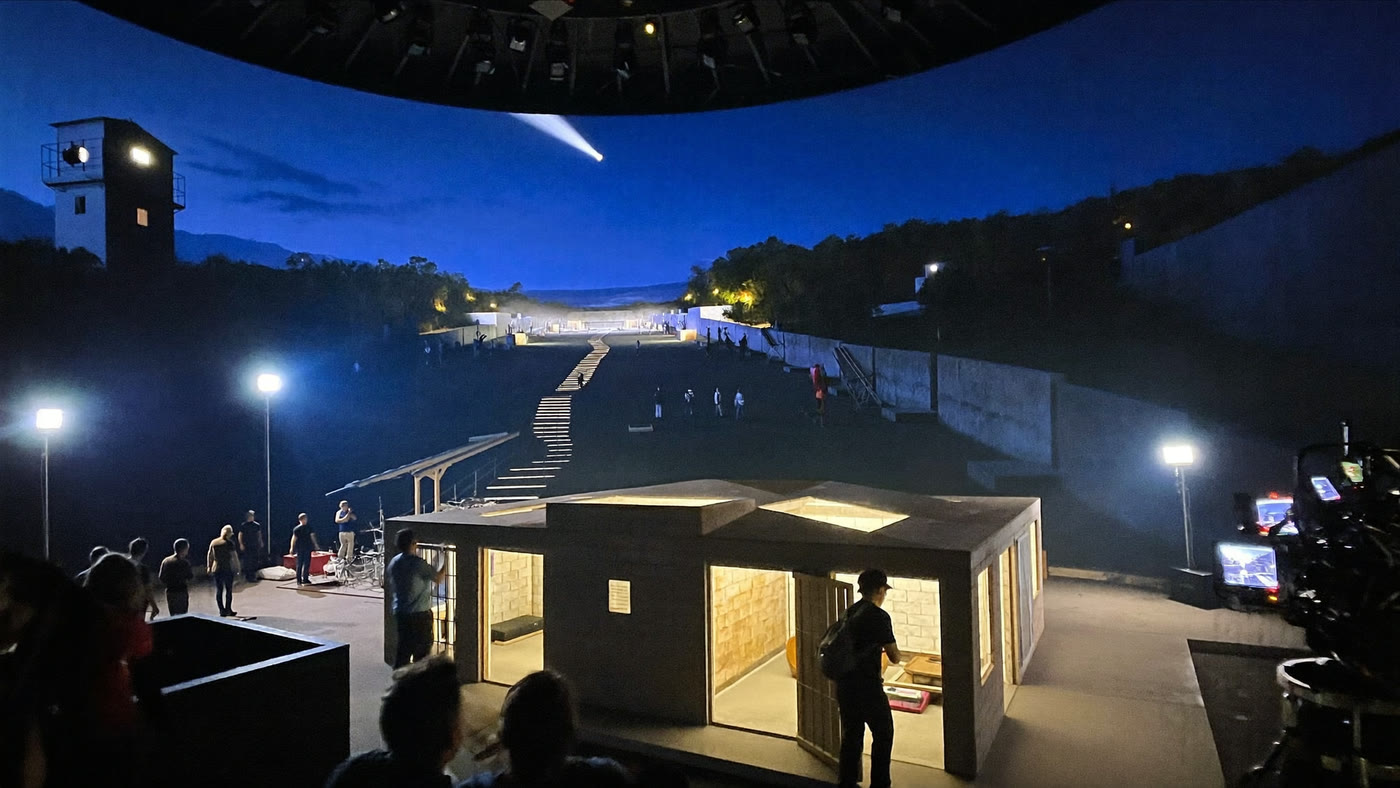
Beyond The Walls was photographed on RED’s 8K cinema systems through Cooke anamorphic glass — and much of Dom’s inner world was built inside a wraparound LED volume. Director of photography David K. Hauver talks cameras, the lighting language of a story that travels from a solitary cell to a sunlit sanctuary, and what it takes to build shots around rescued animals who don’t take direction.
Talk us through the camera and lens package you chose for this film — what does it give Dom’s story that another setup wouldn’t?
I was able to do extensive testing on several LED volume stages well before principal photography began. During that process, I also had the opportunity to pick the brain of David Klein, ASC (The Mandalorian & Grogu, Skeleton Crew, The Mandalorian, and The Book of Boba Fett). With countless hours of experience shooting on volume stages, his insights proved invaluable.
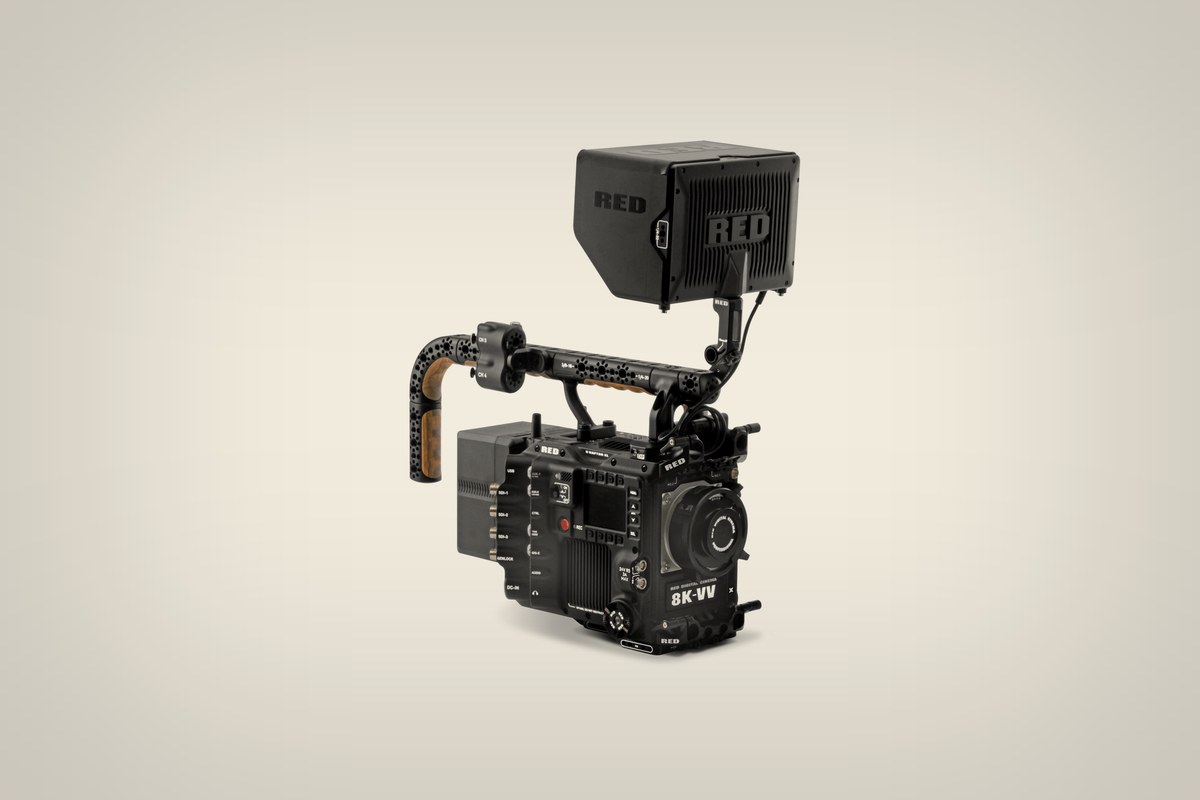
After extensive testing, we settled on a camera package that included the RED DSMC3 V-RAPTOR XL (X), V-RAPTOR, DSMC2 MONSTRO Ranger, and KOMODO. For lenses, we selected a full set of Cooke Anamorphic/i Full Frame optics, complemented by an extensive collection of Schneider Kreuznach cinema filters and diopters.
Our primary camera was the RED V-RAPTOR XL (X). Its global shutter proved to be a significant advantage when dealing with certain LED wall artifacts, making it the ideal choice for our A-camera while the remaining RED bodies seamlessly supported the workflow. Director Shaun Monson wanted color to play a central role in the storytelling, and I felt the RED system was exceptionally well suited to that challenge. The cameras handled the demands beautifully, delivering the richness and flexibility we were looking for.
Choosing anamorphic lenses served two important purposes. First, we wanted a distinctly cinematic image. Second, the anamorphic characteristics helped disguise certain aspects of the LED volume, making the virtual environments feel more convincing. After testing several options, the Cooke Anamorphic/i Full Frame lenses simply felt right for the story we were telling.
To further refine the look, I relied on Schneider Kreuznach Radiant Black® diffusion filters. I wanted diffusion that remained clean and natural without introducing excessive halation, while preserving deep, rich blacks. These filters accomplished exactly that. They also offered a practical advantage: when camera placement brought us uncomfortably close to the LED wall — where moiré became a real concern — the subtle diffusion effectively bought us the extra distance we needed to minimize those artifacts.
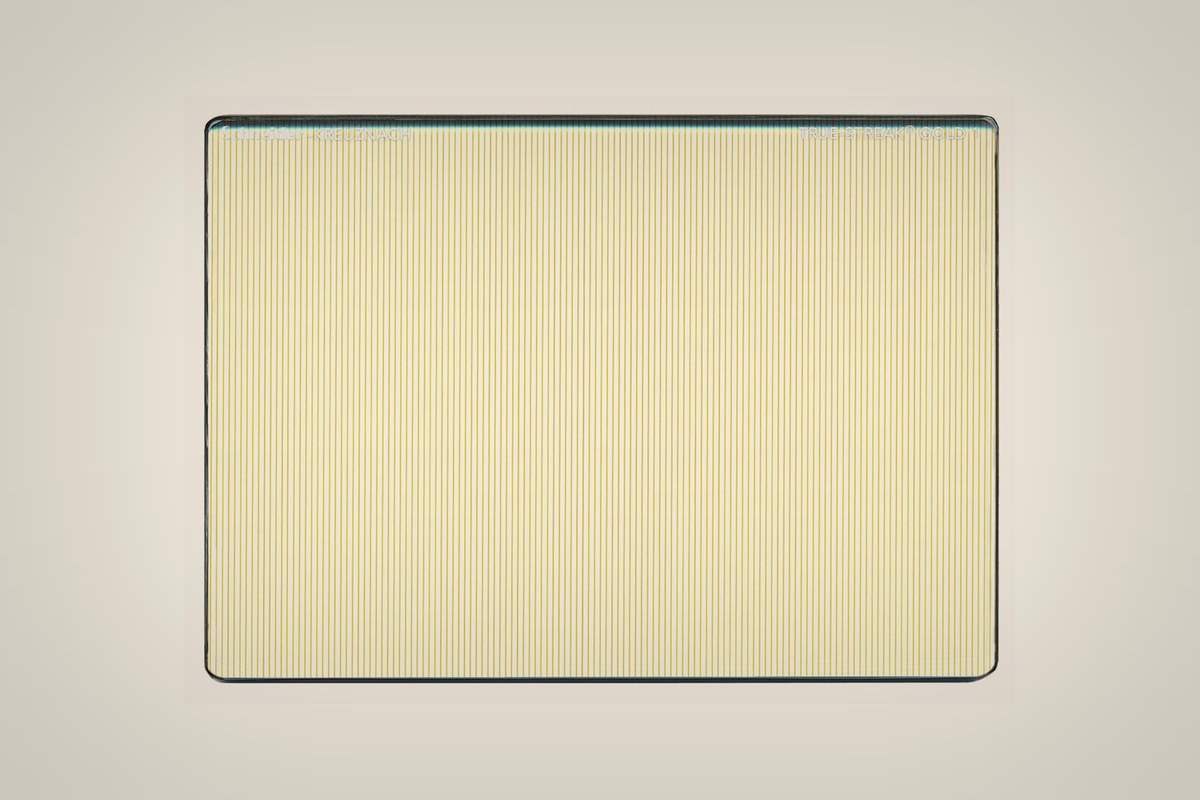
We also leaned heavily into in-camera effects using Schneider spot diopters and streak filters. One sequence combined both a spot diopter and a streak filter simultaneously, creating an image that felt unique and highly effective. To my knowledge, it was a combination that hadn’t been used in this way before.
The film travels from a solitary cell to a sunlit sanctuary. How did you design the lighting language for that journey — how do you keep ‘the hole’ truthful while letting the audience feel the change coming?
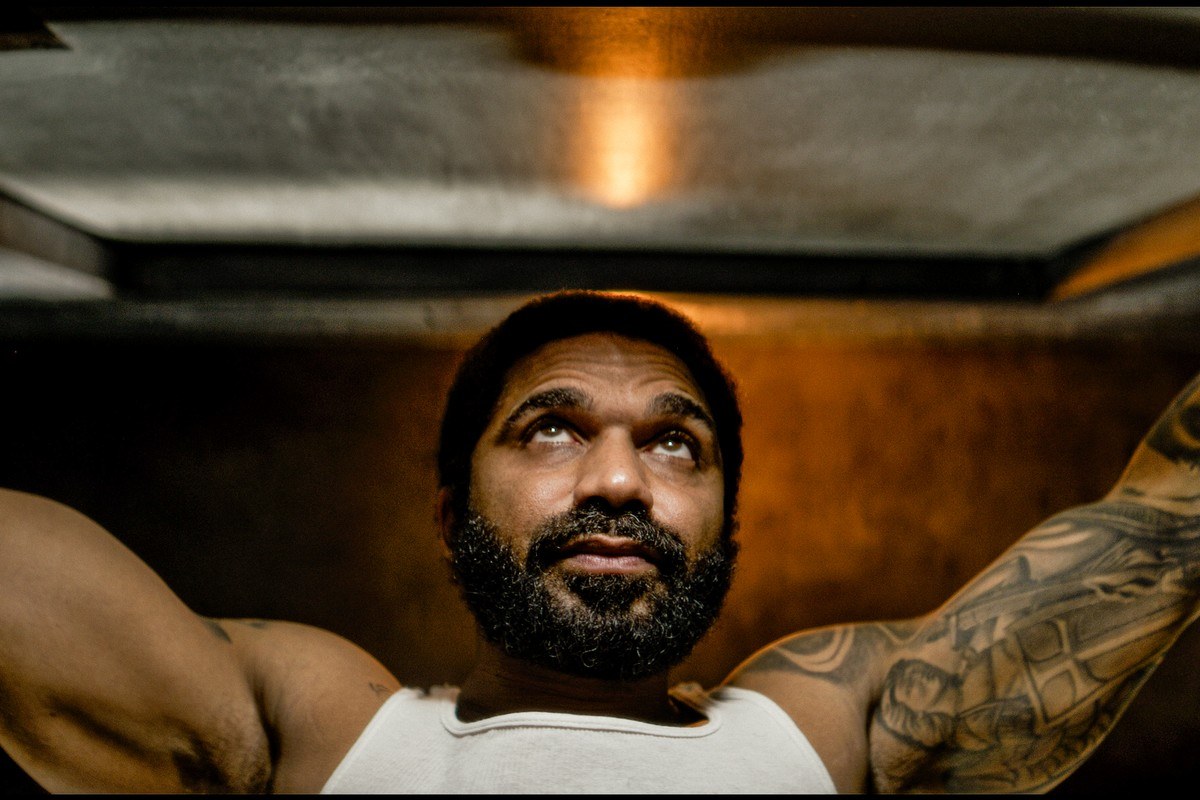
Lighting played a critical role in telling this story, carrying us through a wide range of environments — from the confines of a prison cell to diverse interior and exterior locations spanning different periods in time. One of our greatest challenges was maintaining visual continuity as the prison cell transitioned from a fully practical four-walled set on wheels to a hybrid environment combining physical set walls with the LED volume. The lighting had to seamlessly bridge those two worlds.
We also took a bit of creative license with the prison cell itself. The real cell had no window, but we wanted a believable source of natural light to help communicate the passage of time and give us greater control over the emotional tone of each scene. We introduced a narrow institutional-style window and also used the food slot in the cell door as motivated light sources. These subtle additions allowed the lighting to evolve naturally throughout the story while reinforcing the psychological state of the character.
Transitioning to the animal sanctuary required a dramatic shift in both lighting philosophy and mood. The available natural light did much of the heavy lifting, creating a stark visual contrast between the harsh, confined world of the prison and the warmth, openness, and hope found at the sanctuary. While we embraced the authenticity of the location, there was one key interior sequence that called for a more stylized approach. Through carefully shaped lighting and atmospheric effects, we created a heightened cinematic look while remaining faithful to the sanctuary’s organic character and visual integrity.
None of this would have been possible without the exceptional collaboration of our gaffer, Jordie Turner. Jordie had an intuitive understanding of the visual language we were trying to create and was instrumental in translating those ideas into practical lighting solutions. Whether we were blending the physical set with the LED volume or shaping the emotional tone of a scene, his craftsmanship and problem-solving were invaluable in helping us tell the story through light.
Dom’s dream forest lives inside a volume. What did that let you do that a real forest never could — and where did it make life challenging for you and the crew?
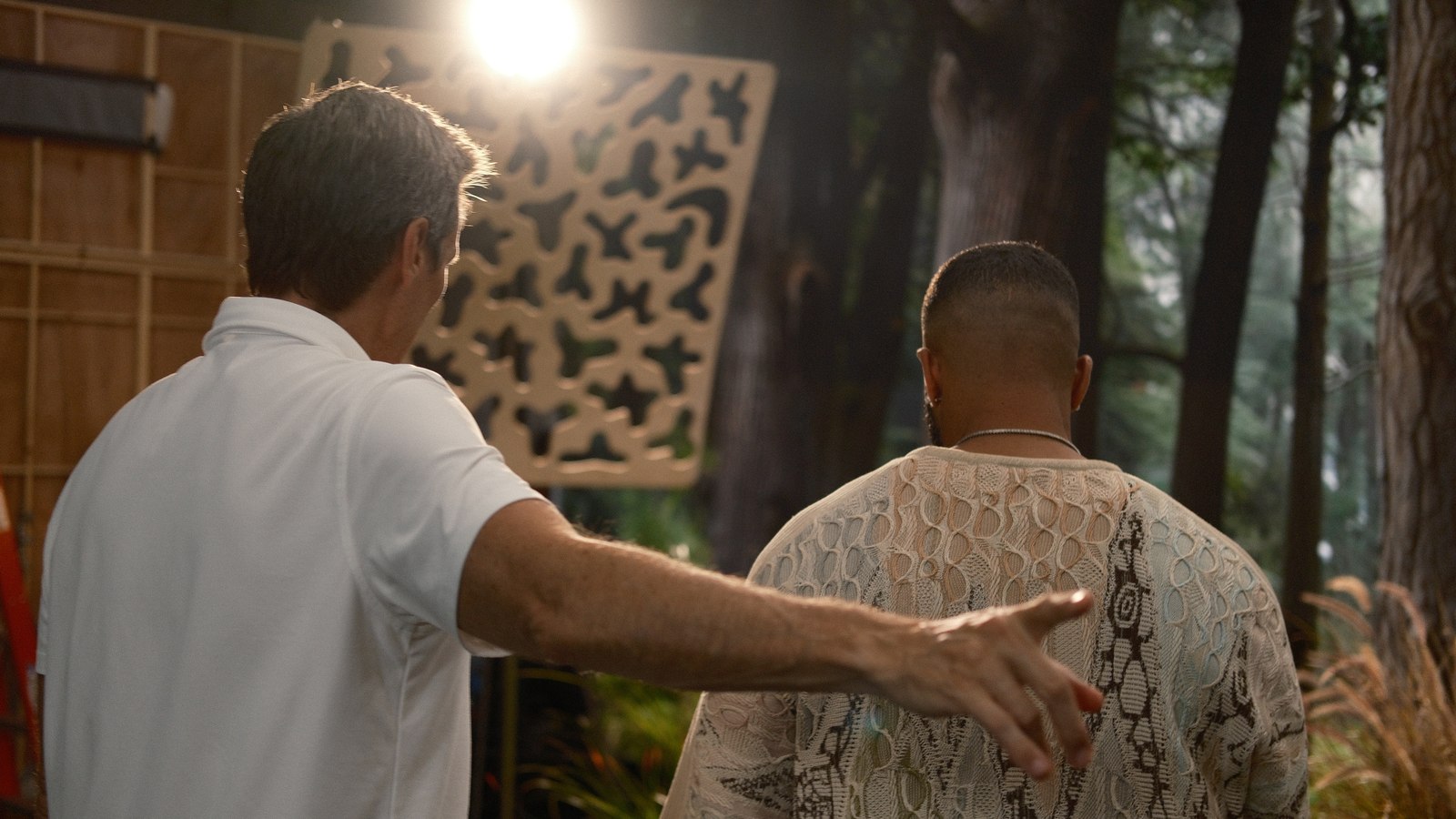
Shooting forest scenes in the real world can be challenging, particularly as the day progresses. Changing sunlight and shifting shadows can quickly create continuity issues, making it difficult to maintain a consistent time of day. Working on the LED volume gave us complete control over those variables, allowing us to lock in the quality and direction of light while also maintaining precise control over atmospheric haze — something that would have been far more difficult to achieve on location. It also allowed us to stage an interaction with wildlife that would have been nearly impossible to execute organically in a real forest environment.
When shooting on an LED volume, the constant challenge is blending the practical world with the virtual one. In my experience, organic elements such as trees and vegetation remain among the most difficult assets to render convincingly. While the technology continues to improve, we found that careful lens selection and the strategic use of diffusion were essential in helping soften the digital edge of the imagery. Those choices made the trees feel more natural and integrated, allowing the virtual environment to blend more seamlessly with the practical foreground elements.
Is there a shot in this film you’re proudest of so far — the one where everything came together?
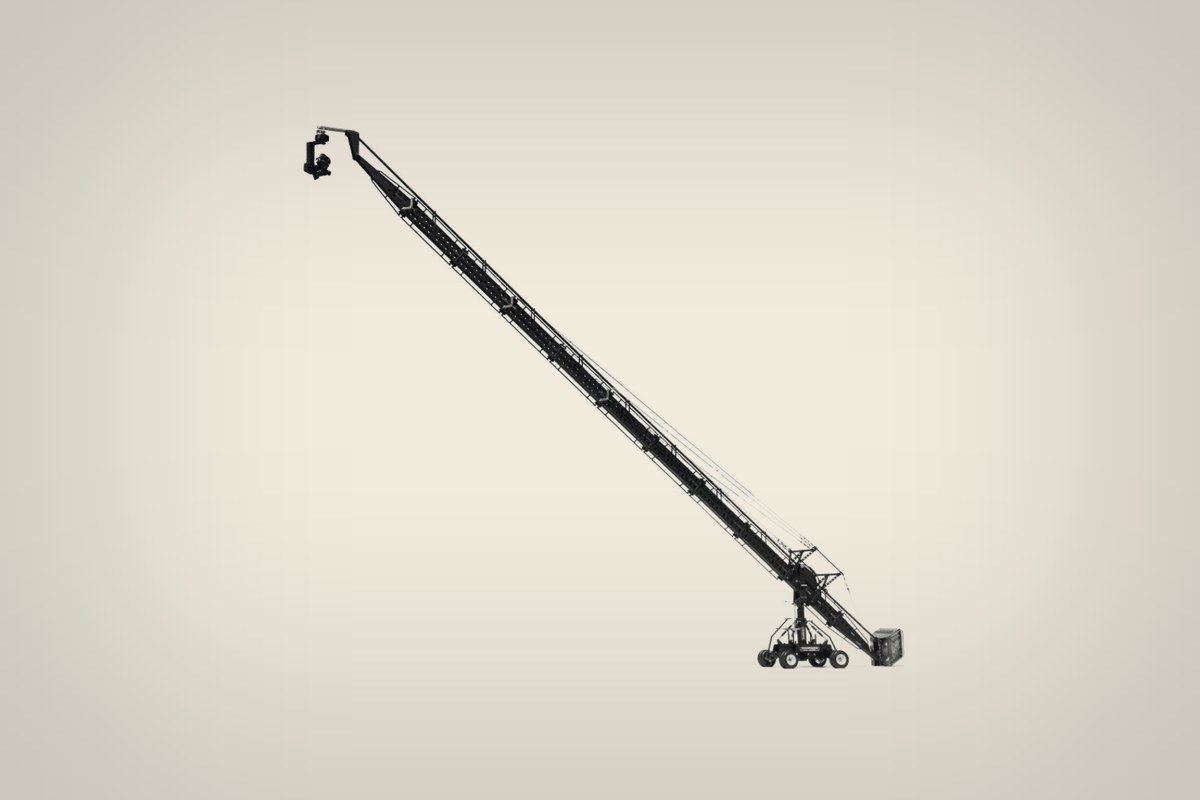
There are many shots in the film that I’m proud of, but the one that made me the most nervous — and ultimately became one of my favorites — was what we called the “Belly of the Beast” shot. It required the precise coordination of camera movement, filtration, and performance to achieve exactly what we had envisioned.
Using a Chapman Lenny Arm, we executed a long, controlled push that culminated in a heroic reveal of Dom. To create the look entirely in camera, we combined a Schneider Spot Diopter with a Schneider True-Streak® Gold filter. The spot diopter allowed us to direct the viewer’s attention while the streak filter added a subtle, cinematic quality that complemented the moment without overwhelming it.
It was one of those shots where every element had to come together perfectly, and I’m incredibly pleased with how it turned out. It’s a great example of how practical, in-camera techniques can create something distinctive and emotionally impactful without relying entirely on visual effects.
Finally — what was it like building shots around rescued animals who don’t take direction?
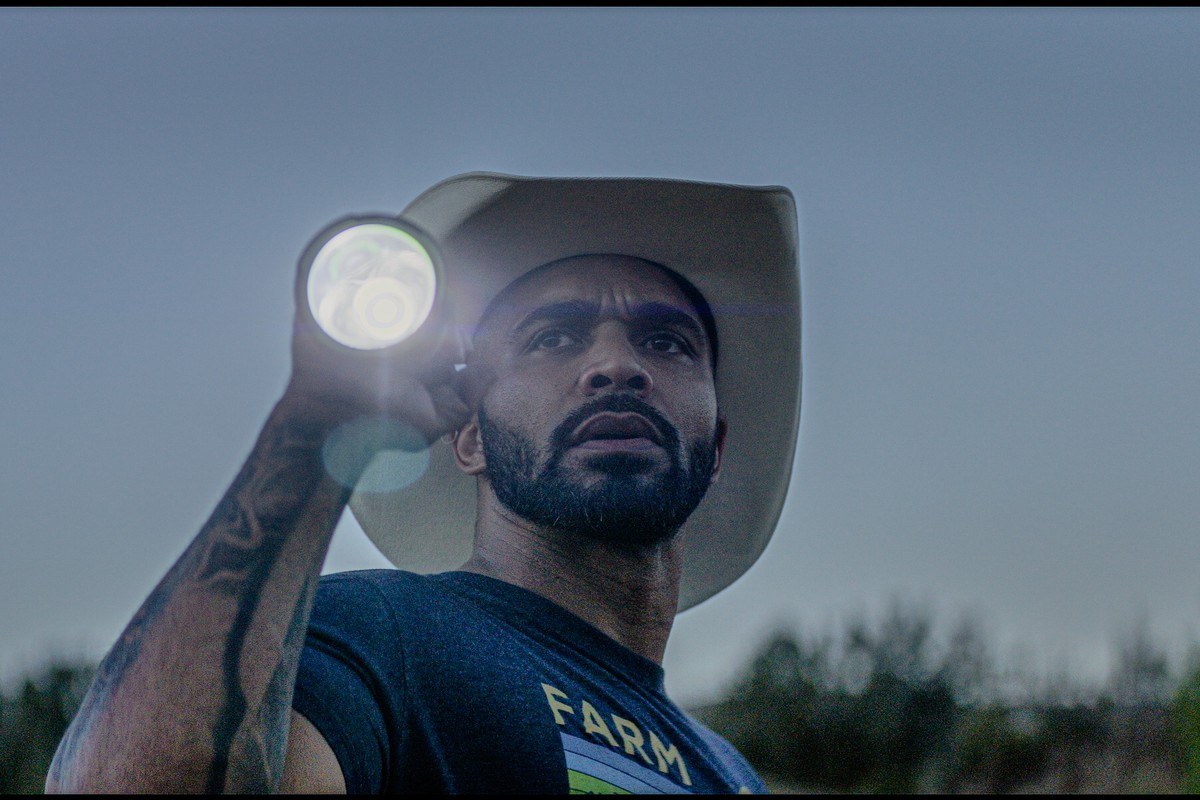
Building scenes around rescued animals that don’t take direction is a unique challenge. It requires patience, flexibility, and a willingness to embrace the unexpected. Rather than forcing moments, we had to be prepared to capture the opportunities the animals naturally gave us.
That often meant splitting our camera crew so that one unit could continue filming scheduled scenes while a smaller team remained ready to capture spontaneous interactions as they unfolded. It was an unconventional workflow, but it allowed us to take full advantage of authentic moments that simply couldn’t be planned.
There were also scenes that depended on one of the rescued animals being in exactly the right place and choosing to engage with our actor. Those moments couldn’t be choreographed — they had to happen on the animals’ terms. That’s where the real magic came in. More than once, just when we thought the opportunity had passed, everything aligned naturally and we captured the perfect shot. There’s a special kind of excitement in those moments because you know you’ve photographed something completely genuine, something that couldn’t have been manufactured.
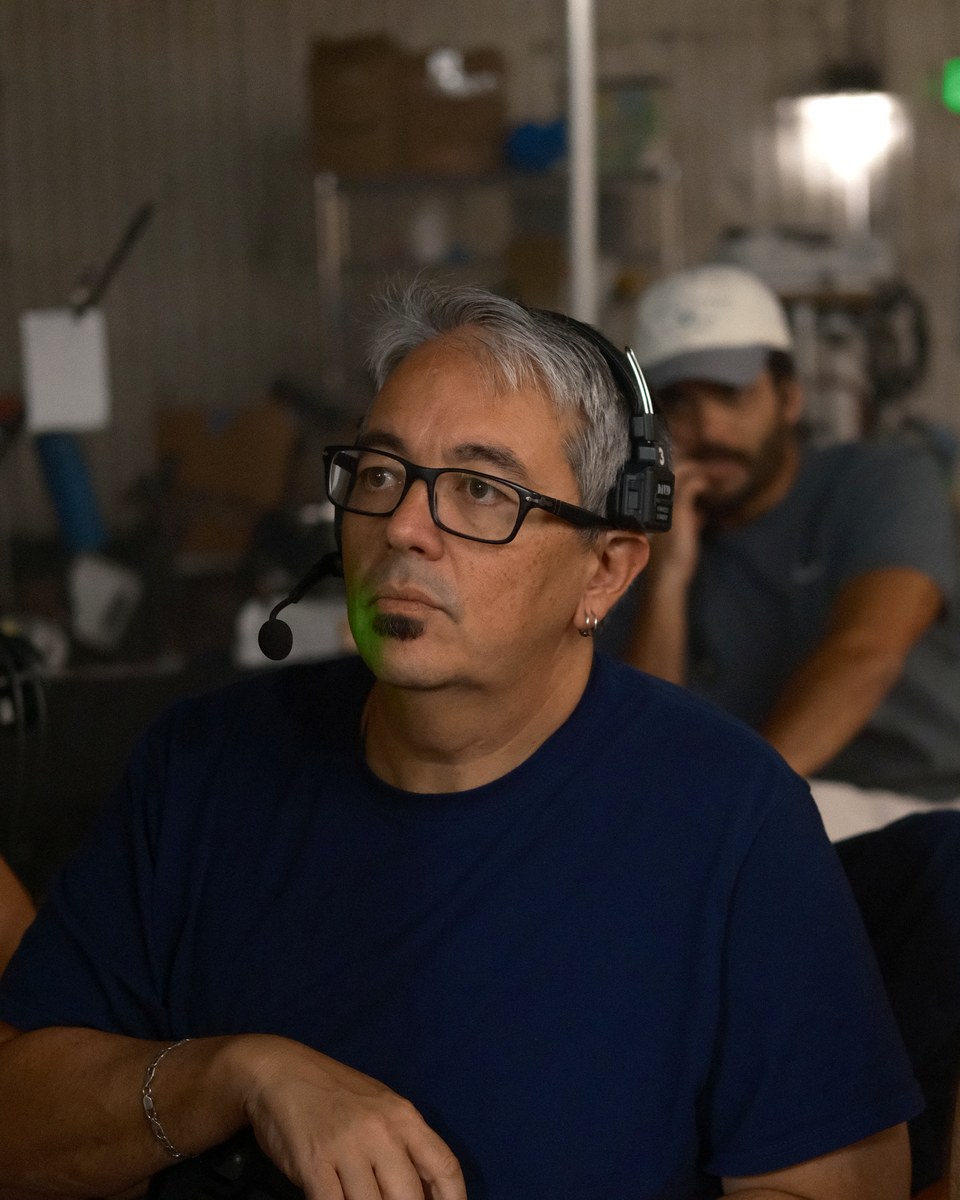
David K. Hauver is the director of photography of Beyond The Walls. Gaffer: Jordie Turner. Equipment photography courtesy of RED Digital Cinema, Schneider-Kreuznach and Chapman/Leonard Studio Equipment. For stills, key art and the full fact sheet, see the press kit.